Last week, the governor of Georgia, Nathan Deal, signed a bill into law which makes Georgia events safer for attendees with food allergies. Georgia SB126 allows places of public accommodation such as restaurants, hotels and convention centers to stock epinephrine — the first-line medication to treat anaphylaxis, a life-threatening allergic reaction. In light of the fact that nearly 50 percent of fatal food allergic reactions are triggered by food consumed outside the home and to foods that were thought to be safe,* allowing event venues to obtain epinephrine auto-injectors provides a huge sense of relief for food allergy sufferers who attend events in Georgia. According to the Convention…

When I was an in-house corporate meeting planner, one of the executive assistants used to call me “everybody’s mamma.” Whether it was purchasing new jeans for the CEO because he forgot his, ordering a low-salt meal for the executive vice president with a heart condition, finding hotel rooms for 30 sales staff stranded in Dallas due to bad weather, or getting the vice president of marketing to the hospital when she was sick at an event, I responded to everyone’s needs and wants. Although I didn’t realize it at the time, all of these incidents (except the CEO’s jeans) fall under my responsibilities as an event planner in what is termed…
A Closer Look at Wheat, Milk and Egg Allergies In Monday’s post “10 Things Meeting Professionals Need to Know About Food Allergies” I mentioned that wheat, eggs and milk are three of the top eight foods that cause 90 percent of all allergic reactions in people worldwide. As part of my continuing recognition of Food Allergy Awareness Week (May 11-18), I’m going to provide a closer look at wheat, egg and milk allergies and where they are found in meeting menus. So many foods these days are made with wheat, egg and/or milk that allergic individuals should pay close attention to…
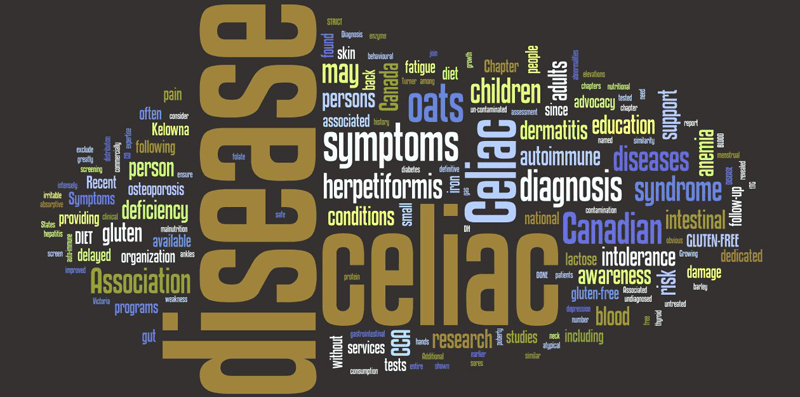
In yesterday’s post, I wrote about gluten and all its disguises in packaged foods and catering menus. Today, I’m defining Celiac Disease and gluten sensitivity. What is Celiac Disease? Celiac Disease is a genetic autoimmune digestive disorder (the immune system attacks the body when certain foods are eaten) that damages the villi of the small intestine, interfering with the absorption of nutrients needed for good health. Continued exposure to gluten can result in malnourishment—vitamin and mineral deficiencies—and other conditions such as anemia, osteoporosis, neurological disorders and more. Originally thought to be rare, celiac disease is now recognized as one of…
Event professionals and their catering partners must be prepared to meet the needs of food-allergic event participants. It could mean the difference between an enjoyable experience or the unfortunate death of an attendee. In honor of Food Allergy Awareness Week (May 11-18), here are 10 things you should know. FACT #1 Globally, researchers estimate 220-250 million people may suffer from a food allergy. In the US, nearly 15 million people have food allergies. In Europe, 17 million people are afflicted. FACT #2 A study released by The Centers for Disease Control and Prevention (CDC) in 2013 notes that the prevalence…
Last month I sat in a session at a meetings industry conference on catering for food allergies. Since I had just given a similar session for the same conference (Serve This, Not That!), I wanted to see what this caterer had to say. In the session, one of the attendees asked the chef/owner of the catering company if it is possible to accommodate many different dietary needs with one menu item. He said yes and proceeded to describe a vegetarian, gluten-free barley salad they serve. STOP! Barley is not gluten-free. I told him this and he said, “Really? I didn’t…
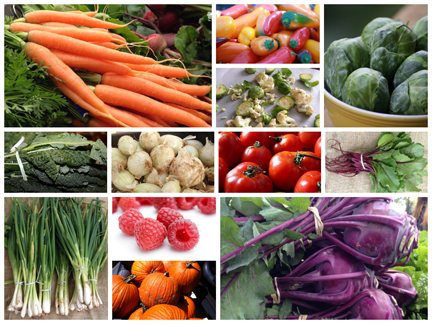
When we’re planning events, we think carefully about the color and texture of the décor, presentations and tablescapes, but how much attention do we pay to the color of the food we serve? Did you ever think that colorful food choices could be used for decor or to make your meals pop? Karin Hosenfeld, RD, LD, a dietitian in private practice in Dallas says “studies have shown that people eat the same 20 foods or so over and over.” I think this theory translate to events as well. How many times have you seen the same continental breakfasts – pastries,…
Meeting planners are worried about many things when thinking about accommodating guests with special dietary needs, but one of the major fears is the cost. This concern needs to be addressed up front and throughout the planning and budgeting process with both your suppliers and your attendees so you aren’t sinking your event budget. Take a recent question I received after a webinar I gave for Collinson Media. Cathy just hosted a conference for 4,300 people. Of the 458 special meal requests she received, 41 were halal and 12 were kosher. With seven meal functions during the three-day conference, that equated…
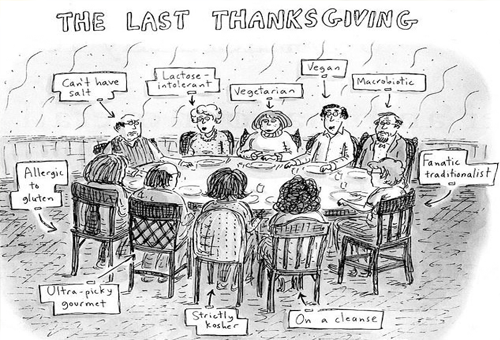
We should give thanks to our event participants for having chosen to spend their money and time attending our events or we can leave them hungry at the table.
This is the first in a series of posts on evaluating hotel banquet menus for event attendees with dietary needs. If you’ve done your due diligence and asked your guests if they have dietary needs, great job! – but that’s only half the battle. Trying to figure out what to serve everyone when you have guests with food allergies, celiac disease or diabetes, others who are vegan, vegetarians or raw and yet others with cultural or religious beliefs that require a specific diet can be daunting. Allergens are often disguised even in well-labeled banquet menus, and just because you’ve offered…