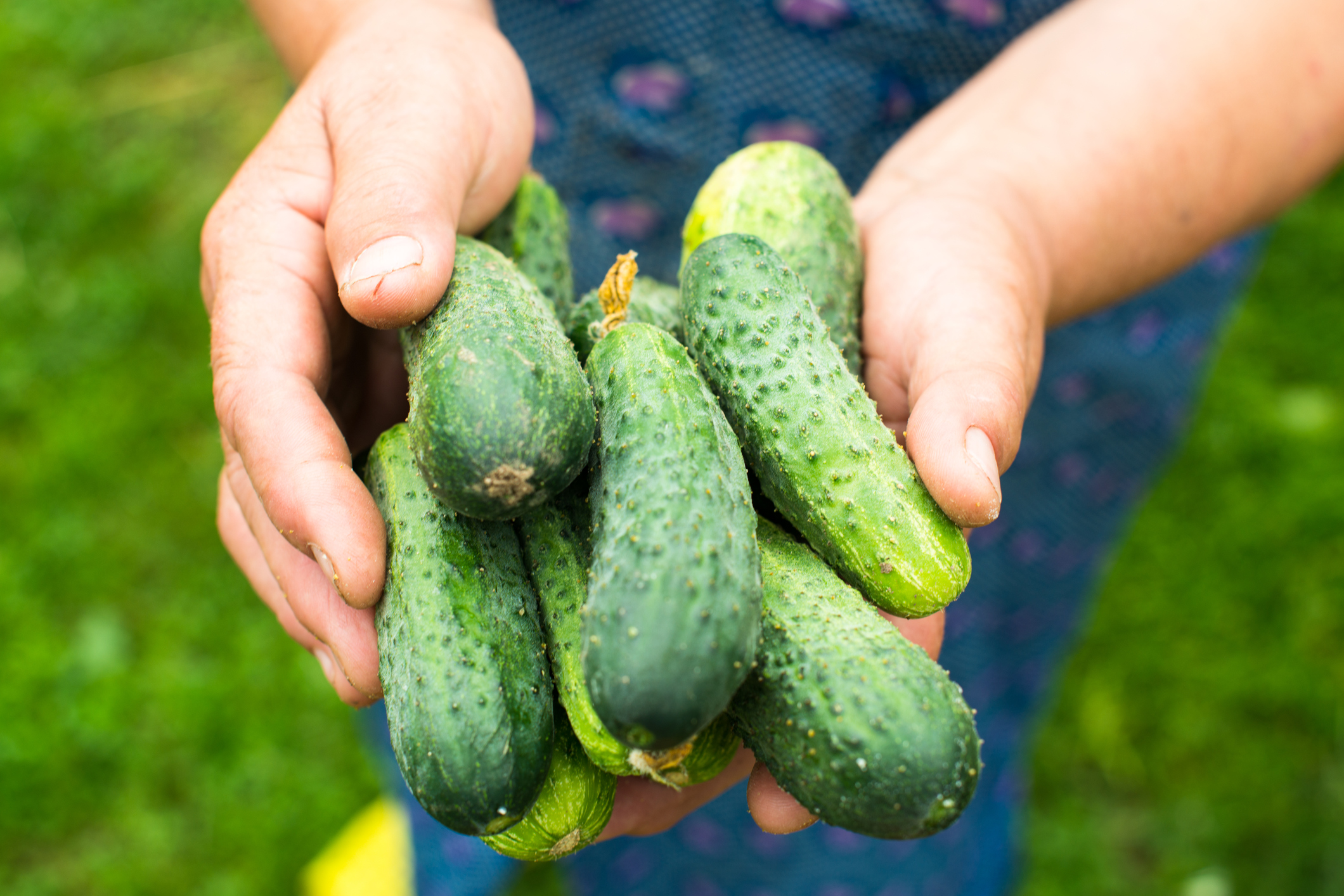
Cucumbers! As part of fruits and veggies month, Thrive! is featuring a few favorite fruits and veggies. A whopping 90 percent of adults and children don’t get enough fruits and veggies. So, add this one to your shopping list this week! How do you take your cucumis sativus? Personally, I prefer it in water and separately dipped in ranch, but there are a million ways to eat this simple, yet refreshing vegetable more commonly known to our dinner tables as the cucumber. HISTORY Cucumbers were first discovered by humans in India over 4,000 years ago. People who we may today call Indians,…
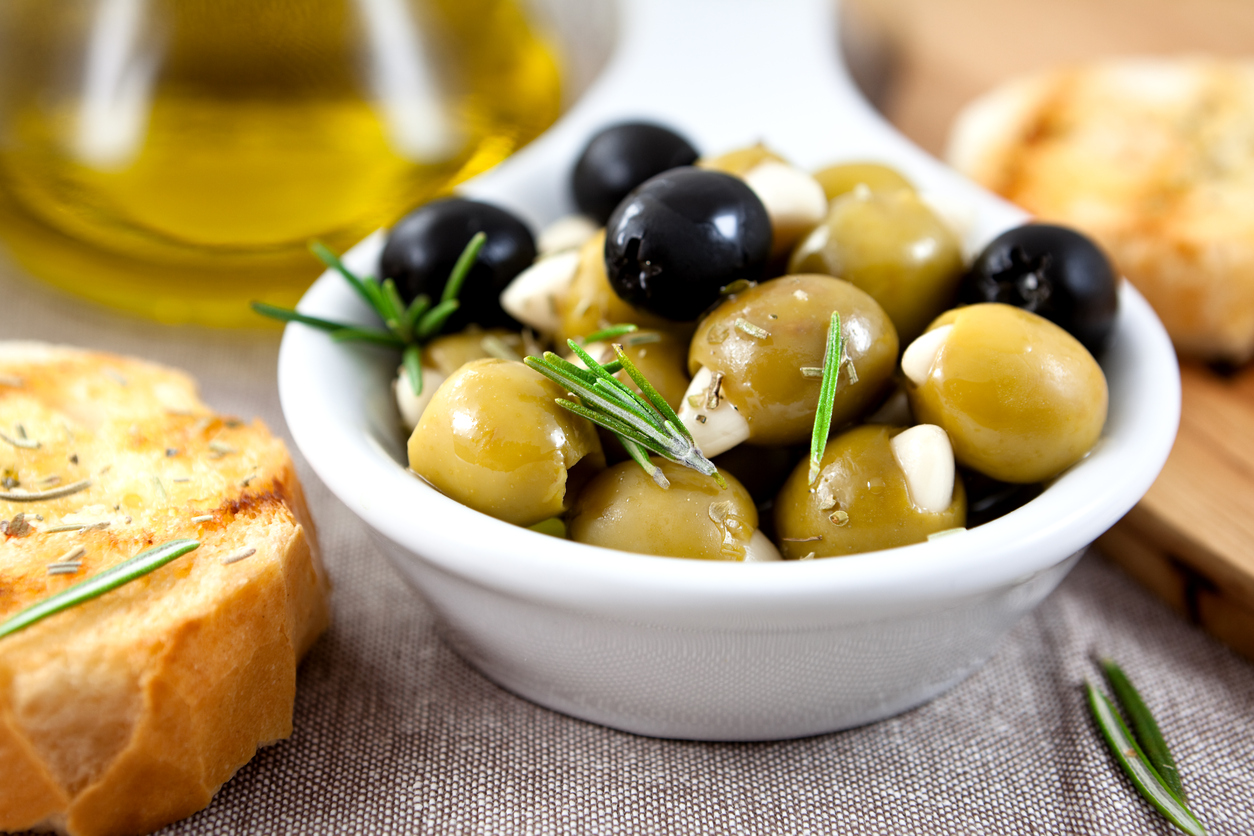
Olives! As part of fruits and veggies month, Thrive! is featuring a few favorite fruits and veggies. A whopping 90 percent of adults and children don’t get enough fruits and veggies. So, add this one to your shopping list this week! The fruit of the olea europaea has been gracing Mediterranean food, from pastas to pizzas to breads and martinis for centuries, but you probably know this fruit better as the olive. This small fruit is famous the world over, and for good reason. HISTORY The olive tree, to the best of our knowledge, was probably developed somewhere around Turkey and Syria,…
If you’ve been enjoying this series, make sure you are up to date on all previous installments: Lessons for Human Resources Professionals: The Care and Feeding of Employees – Part One » Lessons for Human Resources Professionals: Health and Wellness Programs – Part Two » Lessons for Human Resources Professionals: Supporting Employees Dietary Needs – Part Three » Legal Implications Any good human resources professional understands that fostering a safe and inclusive workplace is good business—but in some cases, it is also the law. The Rehabilitation Act of 1973 prevents discrimination on the basis of a disability in programs and…
This is part three in a series of Lessons for Human Resource Professional and they can support employees with dietary needs. To read the first installment in this series: Lessons for Human Resources Professionals: The Care and Feeding of Employees The second article in this series: Lessons for Human Resources Professionals: Health and Wellness Programs Providing healthful food goes a long way toward fostering well-being in the workplace—but it is not enough. Today, more than ever, there is a growing occurrence of individuals with special dietary needs. Let’s take a look at some current statistics. [list icon=”icon: check-square-o” icon_color=”#d81c5c”] “The Food Allergy…
In recent years, the dramatic rise in corporate health and wellness programs shows that companies understand (or are beginning to) the benefits of a healthy workforce. According to the Society for Human Resource Management, more than two-thirds of U.S. employers currently offer a wellness program as part of their benefits packages. The main focuses have been on exercise and eating healthier, but unless these programs address everything employees are eating, they are doomed to fail. Take, for example, the case study presented by Alison Acerra, MS, RD, national nutrition and wellness manager for Guckenheimer, a national workplace foodservice provider during…
As my clients, colleagues and followers know, my main focus as a meeting and event planner is ensuring the food is safe, healthy, delicious and inclusive. But for employees of a company, the food and beverage they are fed at conferences, special events and retreats is just a fraction of what they will consume while on the job. And it is the role of human resources professionals to ensure that all employees can eat safely. That’s why I’m devoting a series of blog posts to educating HR departments about what they can—and must—do when feeding employees. I say “must” because…
With the month of May approaching, it’s time to take a moment and focus on an auto-immune disorder that does not get much attention. This illness, while not always terminal, does change the everyday lives of those affected. That means Celiac affects the person afflicted as well as the expectation that loved ones, friends, schools, grocery stores, restaurants, workplaces, event planners and others will be involved. That’s because it is not the sole responsibility of the those with Celiac Disease to look out for their well-being and safety. Thank you for reading my guide to Celiac Disease and for sharing…
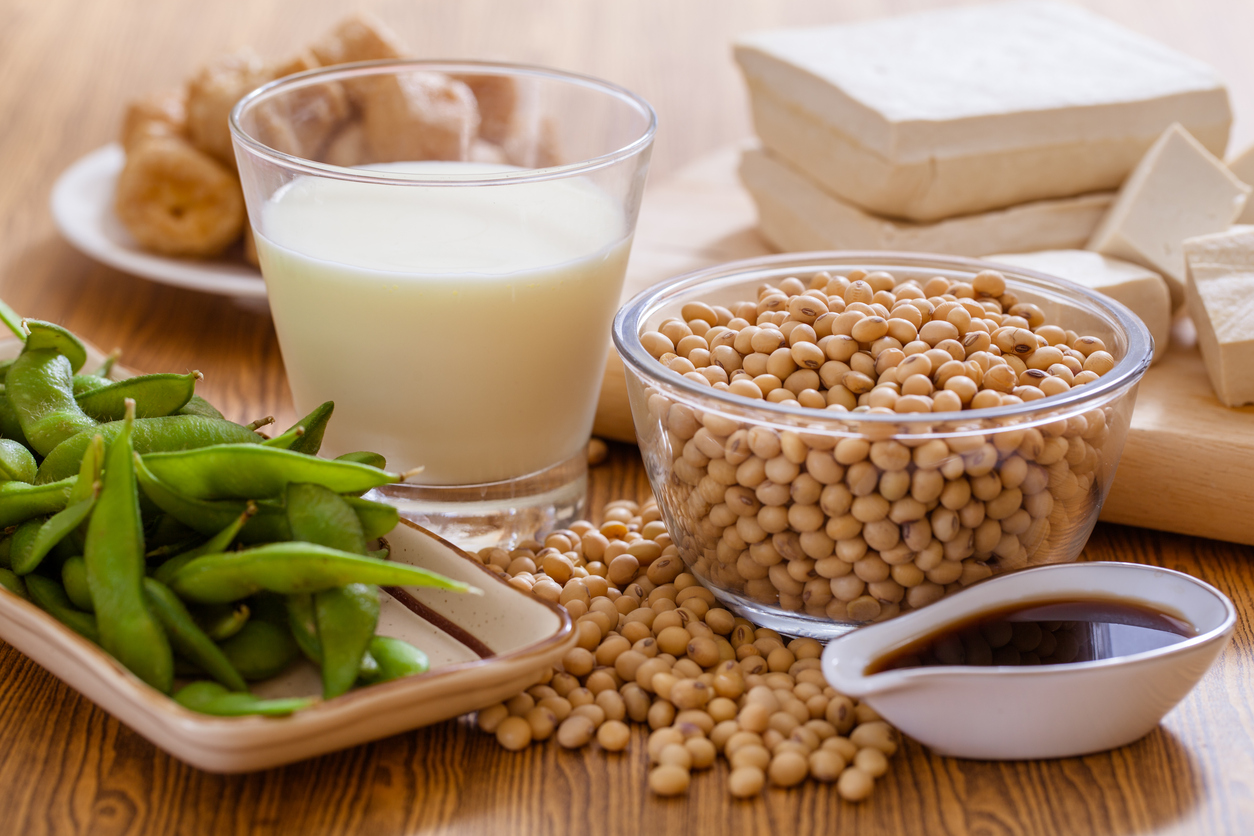
National Soy Foods Month – Celebrate! It’s National Soy Foods Month (#SoyFoodMonth)It is important first to note that soy is one of the “Big Eight” allergens, that group of food allergens that causes over 90% of allergic reactions in people with food allergies. While soy is a big eight allergen and should be taken seriously, statistics suggest that soy may not be as equally dangerous or consequential as other allergens, such as milk, which accounts for 80% of food allergies and intolerances, worldwide. Remember to Treat Soy as an Allergen – Because it is one The Soyfoods Association of America…