
Some attendees may need to bring another person — Personal Care Assistant — with them to your events to help them participate fully — do you have a policy for that?

Some attendees may need to bring another person — Personal Care Assistant — with them to your events to help them participate fully — do you have a policy for that?

Alcohol and events can be a great mix, but the combination can also carry increased risks. Here are some tips on how to make your events that serve alcohol safer and more inclusive.

While beer, wine and cocktails remain important social lubricants for group events, today’s increasingly health-conscious attendees would love to have some low- and non-alcohol options that look just as enticing as that signature margarita.
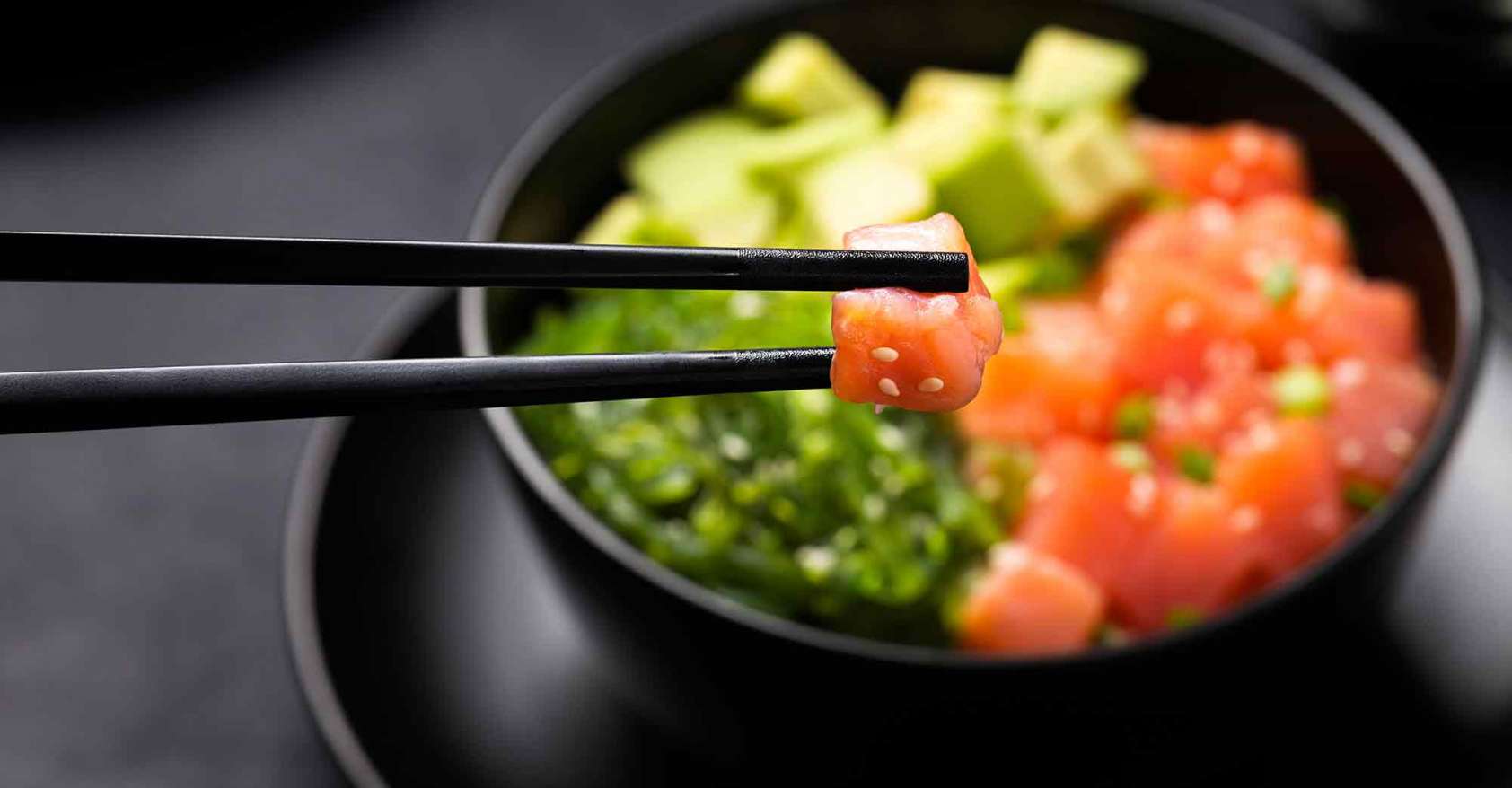
Trends change annually – and sometimes semi-annually. Check out below on what you can expect to see trending in group catering this year.
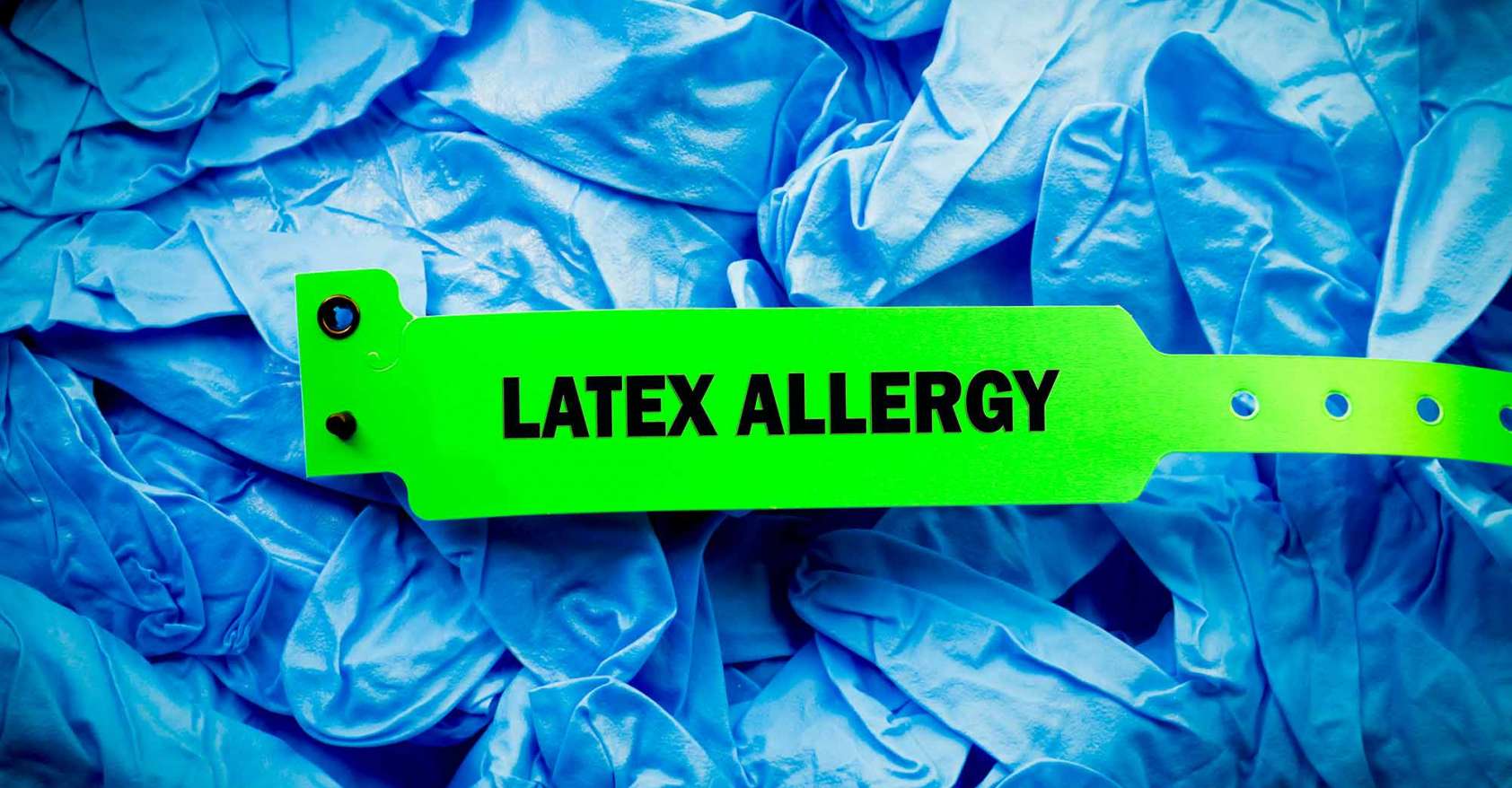
Latex lurks in everything from balloons to rubber bands to gloves and can cause skin and respiratory allergic reactions in a growing number of people. Are you doing all you can to ensure the safety of those with latex allergies at your events?
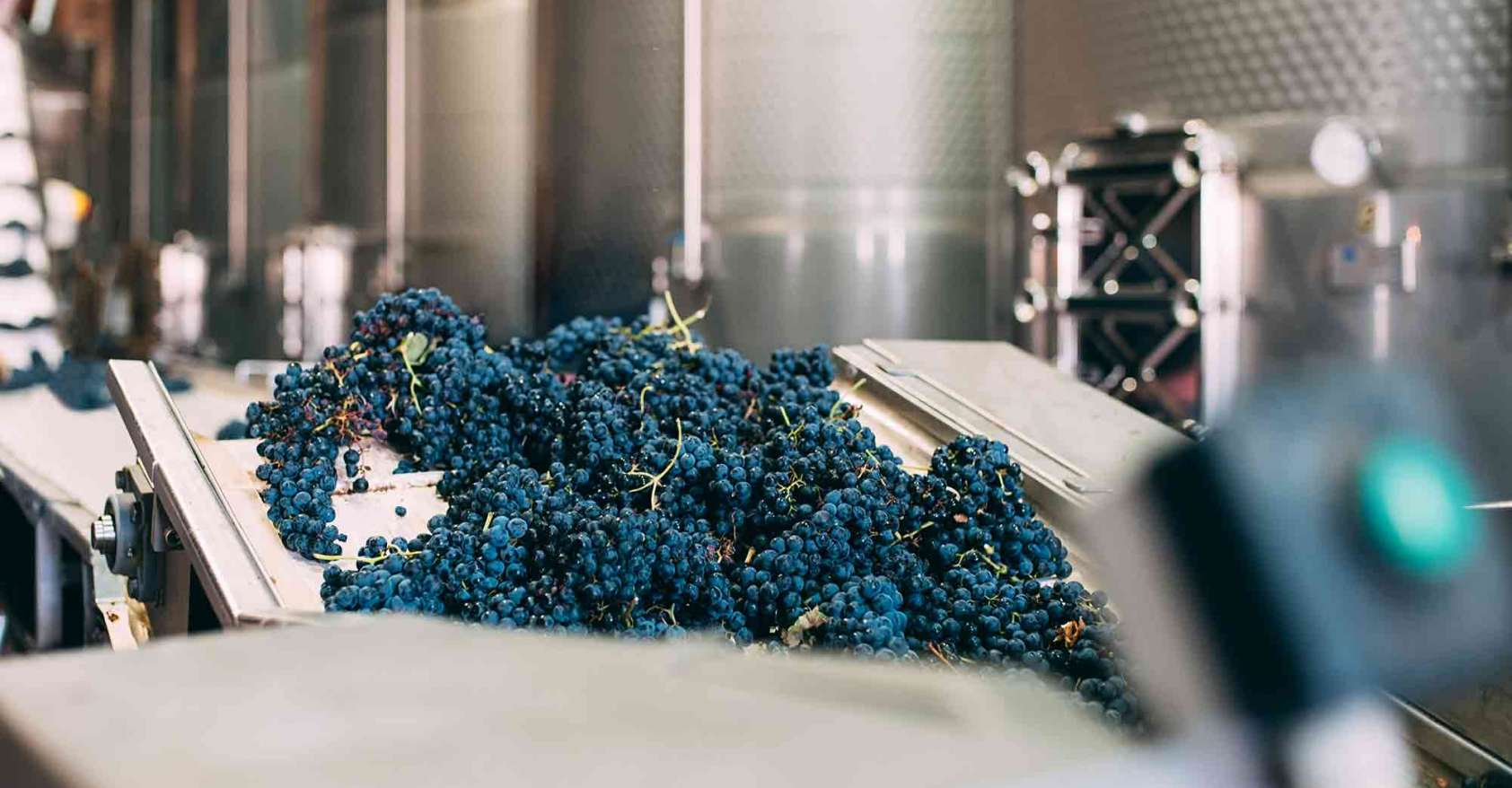
Wine may be made from grapes, but that doesn’t mean it couldn’t cause problems for vegan attendees or even those with milk, egg and shellfish allergies.

Eschewing alcohol for the month of January, aka “Drynuary,” is an increasingly popular way to see what life is like on the sober side. How could incorporating the same concept into your meetings improve participation and inclusion.

Attendee dietary and disability needs data need protection too. How are you protecting it?

On Human Rights Day, let’s not forget that life, liberty, and the pursuit of happiness rest on even more basic human rights — including access to healthy, nourishing food.
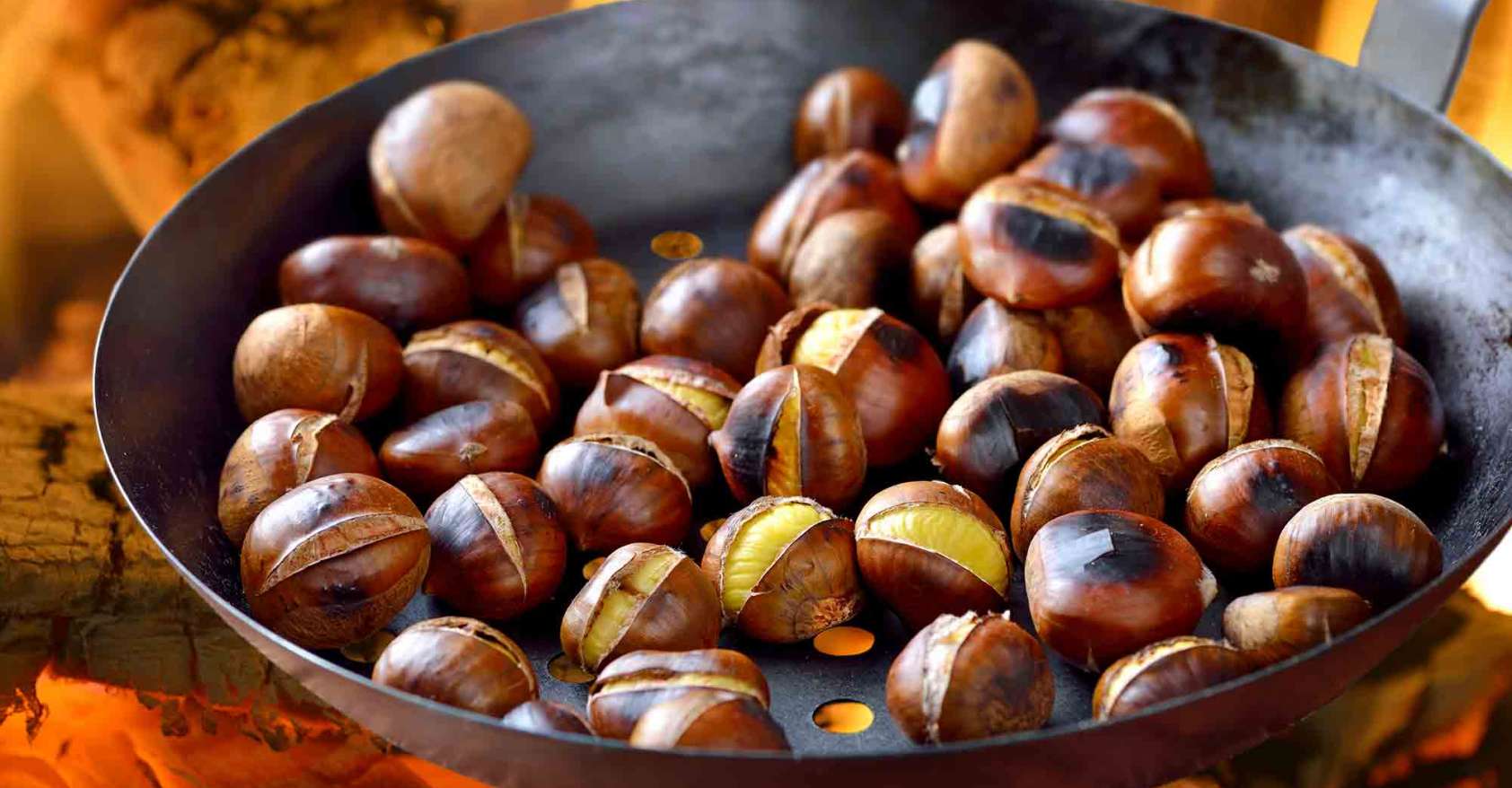
The Nat King Cole holiday tune about chestnuts is catchy, but for some of us in the food industry, this song leaves us scratching our heads. Are chestnuts a culinary nut? What about nutmeg? Isn’t it a spice? The world of nuts can be a little nutty (pun intended), confusing, and delicious! Let’s look at a few fun and important facts about these holiday favorites.