I recently read a thought-provoking article about how children with food allergies are excluded and bullied in school, as much by teachers as by other students. The article was written by a mother of two children with life-threatening food allergies, and it reveals a number of ways in which others’ dismissal of their needs diminishes their self-worth. If a teacher brings in cupcakes for the class, not only is the child excluded, forced to watch while everyone else eats, but also, the child has to reject the offer of food, a stigmatizing act in itself. “Sometimes,” article contributor, Dr. Alvarez…
Compliance with the Americans with Disabilities Act can feel like a daunting task for meeting planners on a tight budget--and an even greater challenge ever since “eating” was included as a “major life activity” in the ADA Amendments Act of 2008. This article highlights relatively easy, inexpensive ways to make your meeting accommodating for attendees with disabilities. I recommend bookmarking it for future events. Along those lines, I thought I’d share a handful of low- or no-cost ways to accommodate attendees with special dietary needs. Plan meals well in advance. If you can give the catering kitchen an accurate picture…
Welcome to July! We’re more than halfway through 2016. Can you believe it? July is known for some pretty popular all-American menus. The fourth of July may mean barbeques and apple pie, but there is s much more that July has to offer. The Thrive! celebrations will include many special days this month, but the July themes of choice are National Culinary Arts Month, National Blueberries Month, and National Ice Cream Month. NATIONAL CULUNARY ARTS MONTH While we love creative chefs and professional cooks, July is the designated month of recognition for leaders in culinary trends and dining excellence. Dine…
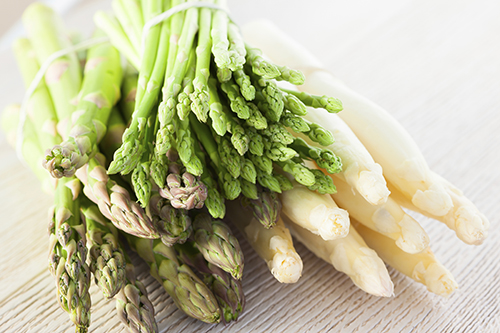
As part of fruits and veggies month, Thrive! is featuring fruit and veggies each week. This week and the final vegetable being featured is asparagus. A whopping 90 percent of adults and children don't get enough fruits and veggies, so add this one to your shopping list this week! HISTORY Asparagus has been enjoyed all around the world for over a millennium. This spring/summer veggie was known to have been eaten by Ancient Egyptians as many as 20,000 years ago, and Rome’s first emperor, Augustus, employed an entire group of ships to transport huge shipments of it. Many people will tell you…
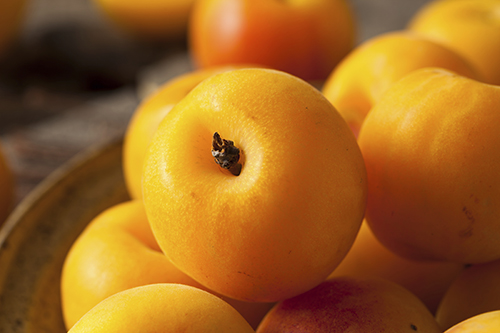
140+ varieties of this "drupe" fruit are sold in the US As part of fruits and veggies month, Thrive! is featuring fruit and veggies each week. This week and the final fruit being featured are plums. A whopping 90 percent of adults and children don't get enough fruits and veggies, so add this one to your shopping list this week! HISTORY Plums are one of the first domesticated fruits in central Asia and Europe. Plums are not as old as the figs,dates, and olives of Mesopotamia but they do go back far. Plum remnants were found at Bronze Age sites in Switzerland, Hungary and…
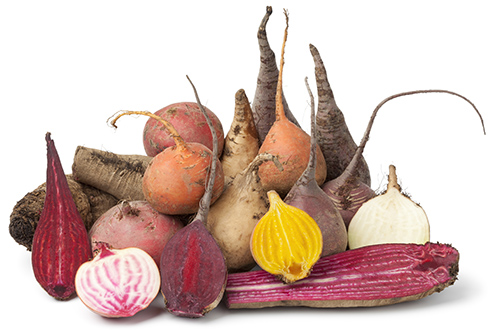
As part of fruits and veggies month, Thrive! is featuring fruit and veggies each week. This week the vegetable is beets - red, golden, Chioggia. A whopping ninety percent of adults and children don't get enough fruits and veggies, so add this one to your shopping list this week! HISTORY The beet comes from the wild sea beet, native to the Mediterranean and parts of the European and North African Atlantic coast. Only the leaves of the sea beet were eaten. The scientific name for the beet is beetroot or table beet also the sugar beet and the mangelwurzel. The…
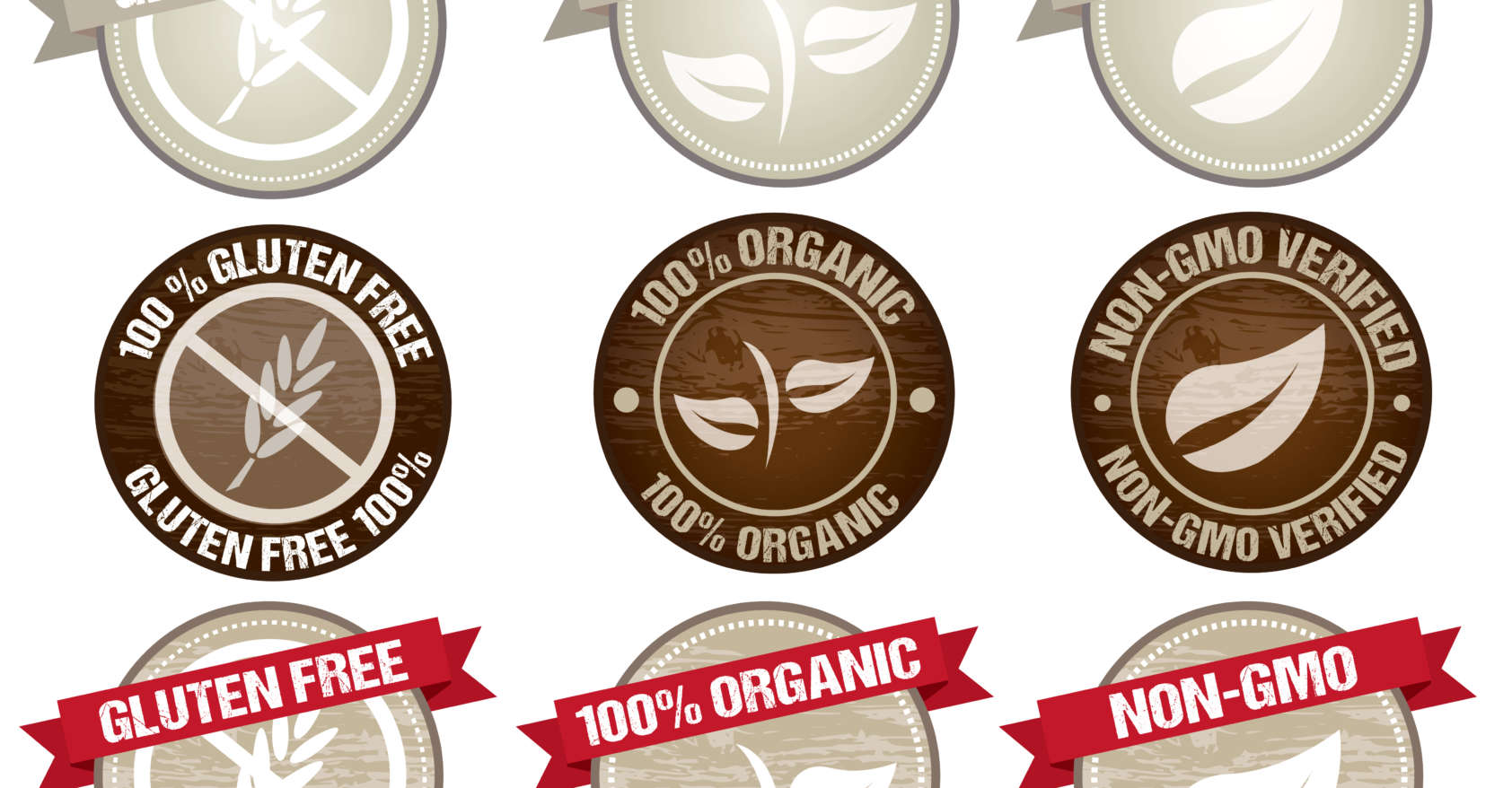
Food labeling has become an extremely big concern for consumers. In fact, an increasing number of consumers have been losing faith in food labels because of incorrect labeling and misleading terms. In particular, labels such as, organic, healthy, and natural are not always understood and can mean different things to different people, which can greatly impact the price of many foods. Many consumers confuse the term natural with a non-GMO product or an organic label with a product that is grown sustainably. Here are 19 of the top terms you might find on product packaging today so you can truly…
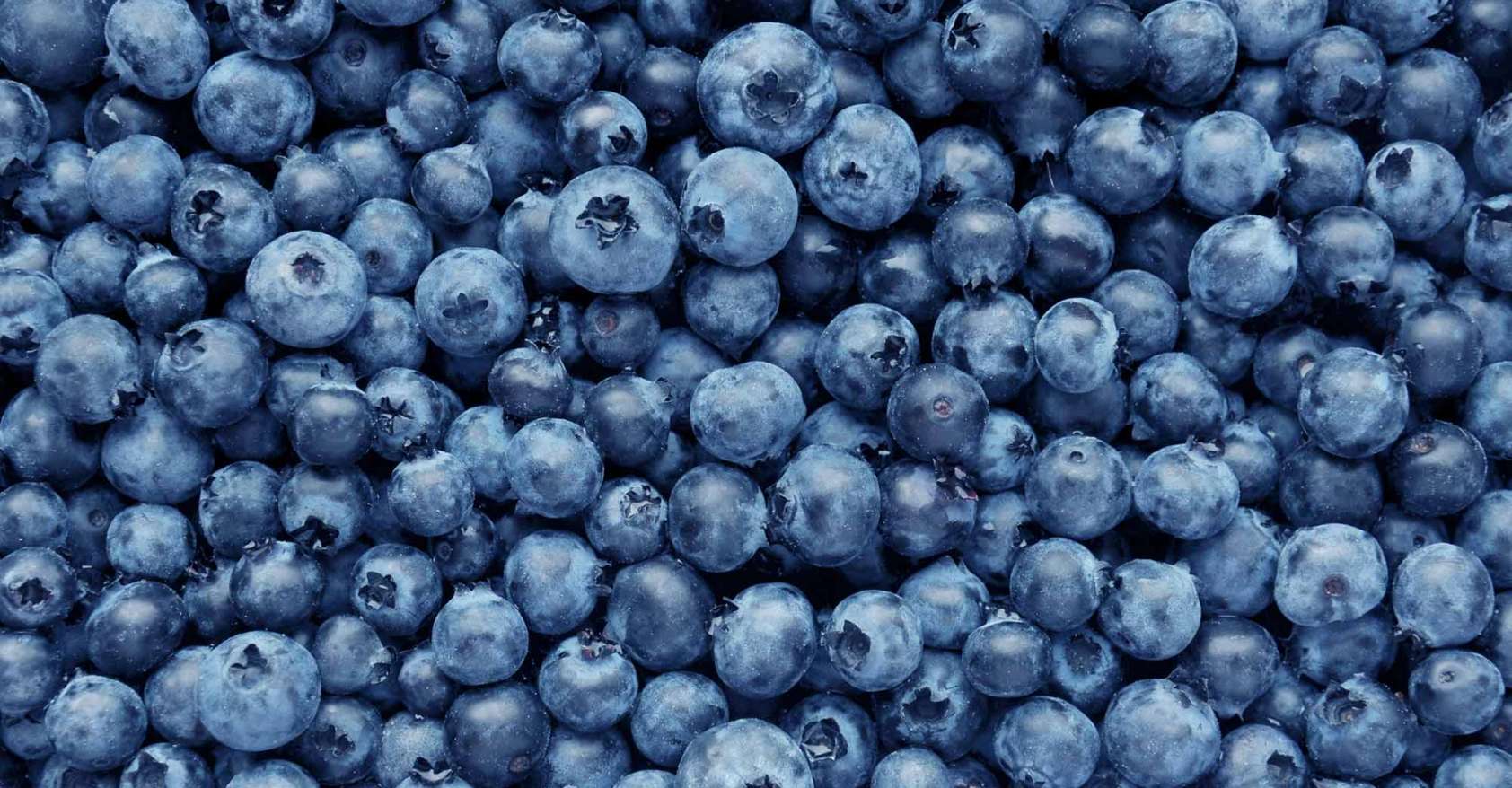
Blueberry is one of the only foods that is truly naturally blue in color and it #1 in antioxidant health benefits As part of fruits and veggies month, we are featuring fruit and veggies each week. This week the fruit is blueberries, my absolute favorite fruit out there. A whopping 90 percent of adults and children don't get enough fruits and veggies, so add this one to your shopping list this week! HISTORY Blueberries are native to North America, even though they still do have botanical relatives around the world. For thousands of years blueberries have been harvested by Native…
It’s Ramadan, which is a time of fasting. This also means there are occasions for fast-breaking. While fasting lasts from sunrise to sunset, Iftar is the name of the communal meal breaking the fast and served after sunset. At the end of Ramadan, there is a three-day festival, Eid al-Fitr, where food is a celebrated religious and cultural experience. Whether you are planning a Ramadan-themed communal meal, a banquet, or a festival celebration, here are a few delicious foods commonly consumed for Ramadan fast-breaking. Dates & Fruits: these are a very popular offering for the after sunset feasts because…
As part of fruits and veggies month, Thrive! is featuring fruit and veggies each week. This week the veggie is corn, a surprisingly sweet treat and packed with nutrients. A whopping ninety percent of adults and children don't get enough fruits and veggies, so add this one to your shopping list this week! HISTORY Corn, or maize, is a grass native to Central and South America. It was most likely first cultivated in Mexico dating back to 5500 BC. Cultivation of the grain then spread North to New Mexico and South to Peru. Eventually, corn became an important staple food…